scroll

scroll




How journey-based approaches deepen learning, foster reflection, and empower growth
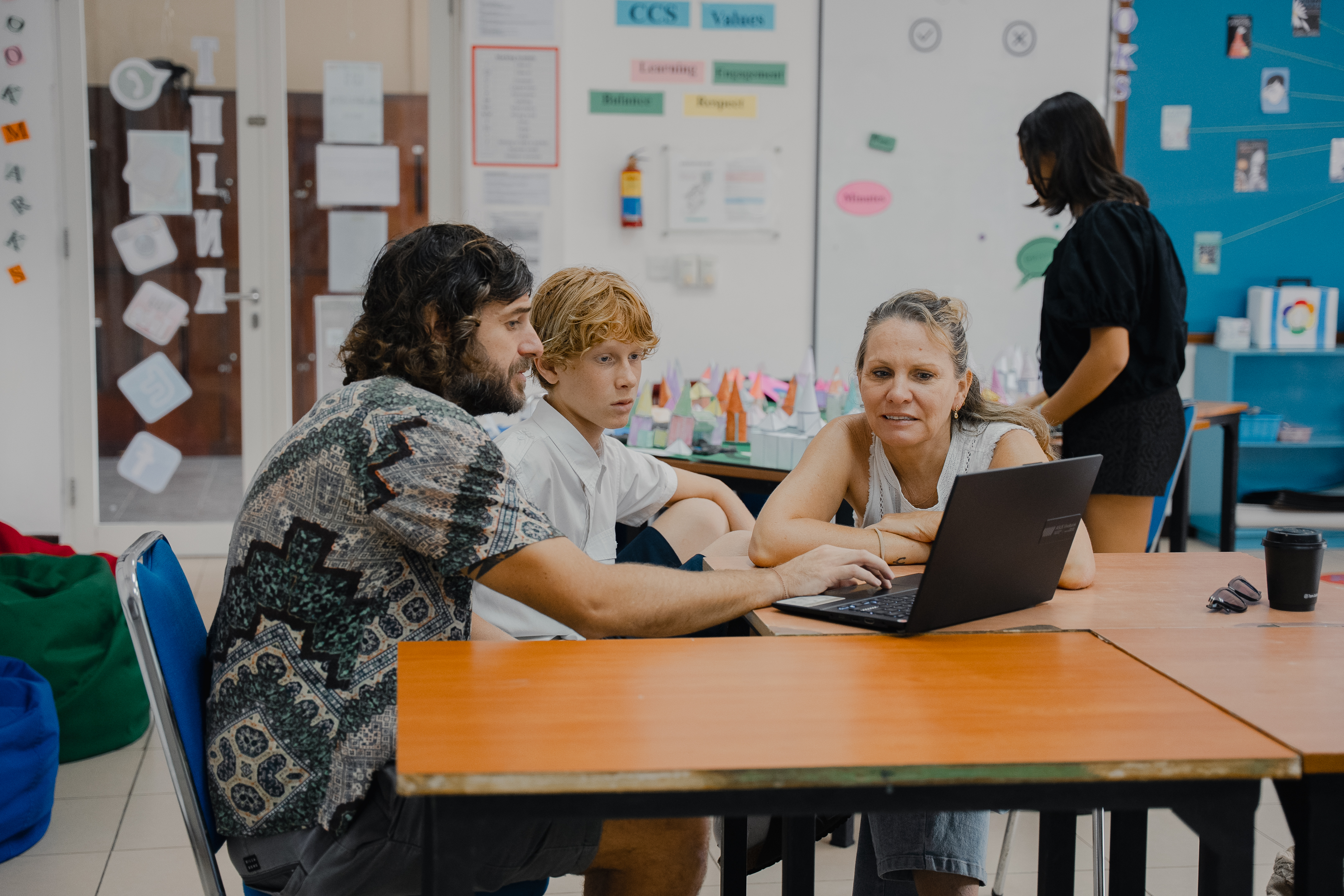
At Canggu Community School, we believe that assessment is more than a score — it’s a story. A story of growth, discovery, effort, and reflection.
This week, I want to share how we’re evolving our approach to assessment across CCS Bali. Guided by our core values of learning, respect, balance, and engagement, we are committed to a system that values progress over performance and helps every student see themselves as an active agent in their learning journey.
To learn more about how we design our programs with purpose and intention, visit ccsbali.com.
Traditional assessment models often prioritize outcomes over the process. While summative data is important, we know that a single grade can’t capture the complexity of student learning — or the critical thinking, collaboration, and creativity we strive to nurture at CCS.
As The Future of Education Report notes, “Journey-based assessment puts the learner at the center, focusing on growth, feedback, and reflection rather than static benchmarks.” This aligns beautifully with our goal to cultivate deep learning over surface recall.
We are embedding assessment practices that:
This approach is visible in our IB learner profiles, our Primary and Middle Years rubrics, and the way our teachers give targeted, timely feedback throughout the term — not just at the end.
Journey-based assessment encourages students to ask:
It also promotes respect for individual learning pathways, allowing each child to take ownership of their progress in a balanced and healthy way. We see students becoming more self-aware, more resilient, and more engaged with their own learning process.
Adopting this approach takes intentional support. That’s why we’re:
When students, parents, and teachers are on the same page, assessment becomes a powerful tool for partnership and progress.
At CCS Bali, we’re proud to be part of a global shift toward more authentic, learner-centered education. Journey-based assessment helps us stay true to what matters: not just what students know, but how they think, reflect, adapt, and grow.
Until next week — let’s continue to celebrate the journey, not just the destination.
Warmly,
Dr. Ben Voborsky
Head of School
Canggu Community School | www.ccsbali.com